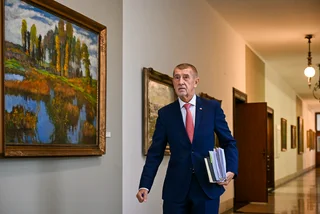
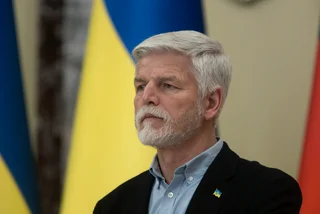
Prime Minister Andrej Babiš and his Slovak counterpart Robert Fico pushed back Tuesday against German Chancellor Friedrich Merz’s call for all EU countries to help cover Ukraine’s budget shortfall next year.
Speaking at a joint meeting of the Czech and Slovak governments in Bratislava, both leaders rejected pressure to participate in further funding.
FOR OUR MEMBERS
According to the Financial Times, Berlin has threatened to block negotiations on the EU’s future budget unless every member state commits to contributing. The dispute comes as the bloc considers how to finance another €45 billion in support for Ukraine.
Czech and Slovak leaders reject pressure
Babiš argued that the proposed EU budget already included money for Ukraine and described threats between member states as unacceptable.
Fico took a sharper tone, calling Merz’s approach “typical blackmail” and saying Slovakia possessed the same veto rights as Germany.
Their remarks concerned the financing of Ukraine’s government as the country continues to defend itself against Russia’s invasion.
Czechia, Slovakia and Hungary previously secured exemptions from guarantees for a €90 billion EU loan to Ukraine, worth approximately CZK 2.2 trillion.
Kyiv has since said that support will not be sufficient. It estimates its budget shortfall for next year at approximately €70 billion, or CZK 1.7 trillion.
The EU has committed to covering €45 billion of that gap, but the mechanism for raising the money remains unresolved.
Czechia, Slovakia, Hungary and Bulgaria have indicated that they will not provide further financial assistance to Kyiv. Tuesday’s exchanges highlighted the difficulty of reaching a common position on how the EU’s commitment should be financed.
Babiš calls for Europe’s own peace negotiators
Alongside the funding dispute, Babiš urged EU leaders to nominate representatives to negotiate over peace in Ukraine on the bloc’s behalf.
“It is not possible for the Americans to negotiate for us,” he said.
Ukraine is now in its fifth year of resisting Russia’s full-scale invasion. Babiš’s comments placed the question of Europe’s diplomatic role alongside the debate over its continuing financial commitments.
The joint government meeting also touched on another issue Prague wants to pursue with its regional partners: the economic effects of emissions trading.
Babiš said he had sent the leaders of Slovakia, Hungary and Poland a draft letter seeking an assessment of the emissions allowance system’s impact.
He argued that its effects on inflation and competitiveness needed to be reconsidered.
The proposed letter would seek a review of those consequences; Babiš did not announce an agreed joint position or a change to the EU system.